Wildlife
Baboons on Safari: What to Expect and How to Behave Around Them
4 min readBy Devora Levy
Key Takeaways
- * Expect to see chacma baboons, the largest and most social kind.
- * Observe complex troop dynamics, like grooming and juvenile play.
- * Never feed baboons or leave food unattended, especially kosher items.
- * Read on for essential tips on safe and respectful baboon encounters.
Baboons are one of the animals our guests most frequently encounter on safari in Southern Africa, and they definitely evoke strong reactions. I've seen firsthand how some guests find them endlessly entertaining – watching the troop dynamics, the antics of the youngsters, and the sheer presence of a dominant male. Others find them a little unnerving, especially when they get up close and personal. Either way, understanding a bit about baboons makes the encounter so much richer and more rewarding.
What kind of baboons will I likely see on a kosher safari in South Africa?
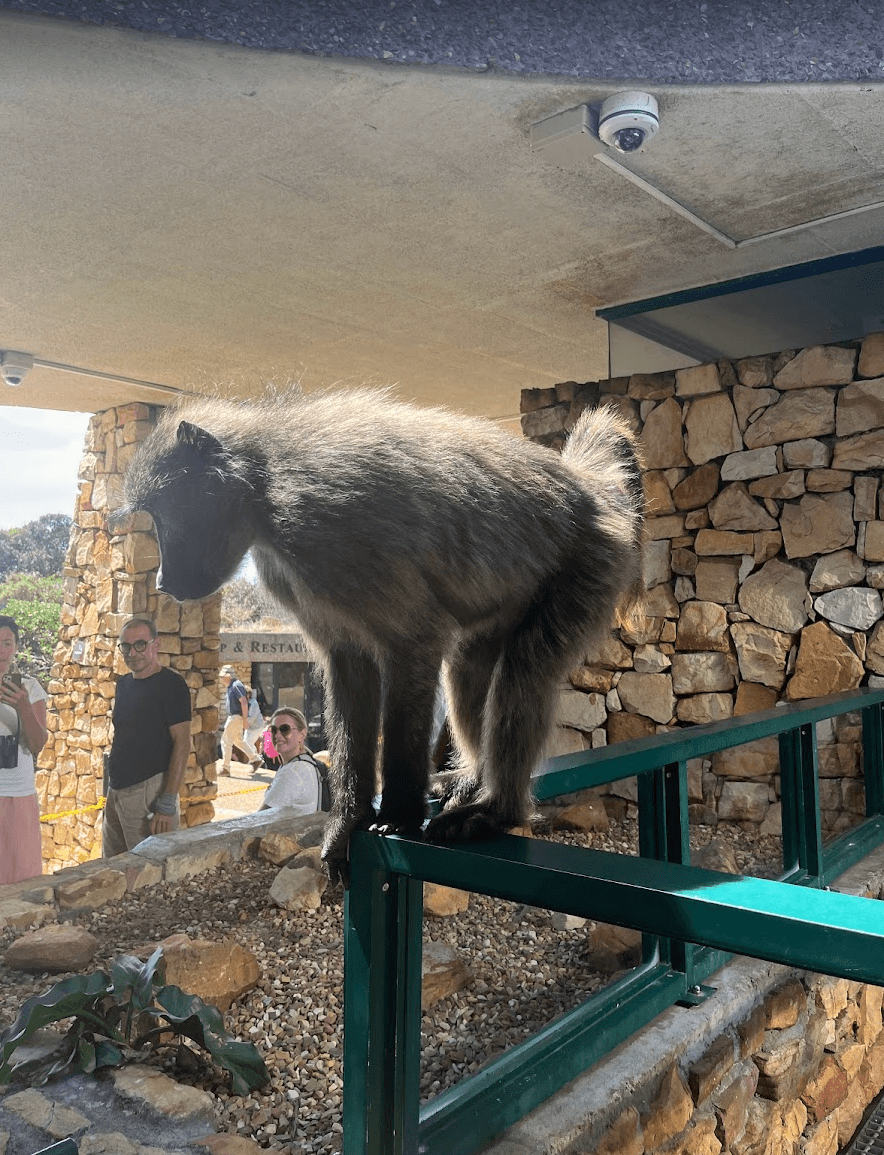
In South Africa, and across much of Southern Africa, the baboon you're most likely to see is the chacma baboon. They're among the largest of all baboon species. Males can weigh up to 40 kg, and they're seriously impressive animals. They're also incredibly social, living in troops that can range from 20 to 100 individuals. These troops have complex hierarchies, and it's fascinating to observe the social dynamics at play.
Adult male chacma baboons are particularly striking. They have long, prominent canine teeth and a confident, almost swaggering demeanor that really emphasizes their size and power. It's a sight to behold, but it's also a reminder to keep a respectful distance!
How do baboon troops function, and what's it like to observe them?
Baboon troops are intricate social units, and observing them is like watching a fascinating soap opera unfold. Females typically stay within their birth troop for their entire lives, forming the stable core of the group. Males, on the other hand, tend to move between troops, establishing their rank through displays of strength, forming alliances, and sometimes even engaging in actual combat.
One of the most captivating things to witness is the grooming behavior. You'll often see pairs or small groups of baboons grooming each other for extended periods. This isn't just about hygiene; it's a crucial social activity that builds and maintains relationships within the troop. For our kosher travellers, it's a great way to see the animals in their natural habitat, living out their everyday lives. And for our Jewish guests, it's fascinating to see how similar their complex social behavior is to humans.
And then there are the juveniles – they're irresistibly watchable! They spend a large part of their day playing, testing boundaries, and learning the social rules of the troop. Watching a young baboon interact with the adults is genuinely fascinating and often very amusing.
Important note for all safari-goers: Never, ever feed the baboons, and always keep food out of sight when they are nearby. Baboons are highly intelligent and learn very quickly. If a troop associates vehicles or lodges with food, it can become a serious problem for everyone. Keep your windows closed, bags zipped up, and never leave food unattended outdoors. This is particularly important when travelling with kosher food, as the smells can be quite tempting to these clever creatures!
What do baboon alarm calls mean, and how can they enhance my safari experience?
Baboons are prey animals, targeted by predators like leopards, lions, and large eagles. As such, they have a very effective alarm system. When they spot a predator, they emit a sharp, barking alarm call that carries over long distances.
Experienced guides, like those we work with at The Kosher Safari, listen carefully for these baboon alarm calls. They often indicate the presence of a predator in the area, even before we've spotted it ourselves. It's an incredible example of how the animals in the bush are all interconnected, and how they rely on each other for survival. For our guests, hearing a baboon alarm call can be a thrilling moment, adding an extra layer of excitement to the safari experience.
Where are the best places to see baboons on a kosher safari?
Baboons are widespread across Southern and Eastern Africa, so you're almost guaranteed to encounter them on safari. I've seen them in so many places. You're virtually guaranteed to see them in Kruger National Park, around Cape Town (especially at Cape Point), in Madikwe Game Reserve, and throughout the Serengeti ecosystem. They're incredibly adaptable animals, confident, and completely at home around human activity – which is part of their appeal, and also, occasionally, part of the challenge.
We take great care to ensure our kosher safaris minimize any negative impact on the local wildlife, including baboons. We work with lodges and guides who are committed to responsible tourism practices, and we educate our guests about how to behave respectfully around the animals. This helps to ensure that future generations can continue to enjoy the incredible wildlife of Africa.
Ready to experience the magic of a kosher safari and witness these amazing animals firsthand? Contact The Kosher Safari today, and let us create a bespoke adventure that caters to your every need. We'll take care of all the details, from the glatt-kosher meals to the expert guiding, so you can relax and immerse yourself in the beauty of the African bush.
D
Devora Levy
Co-Founder & Travel Writer, The Kosher Safari
Devora has been organising luxury kosher safaris across Africa since 2022. She writes from first-hand experience — every lodge, route, and meal plan in these guides is one she has personally arranged for guests.
Ready to go?
Plan your kosher safari
Tell us your dream trip and we'll create a bespoke proposal within 48 hours.
Get in touch

